
It’s been a scorcher so far this summer. Anglian Water brought in a hosepipe ban across the region in July, and East Anglia has since been officially declared in drought, so it’s safe to say this isn’t just a hot spell passing through. While everyone’s busy tending their plants and gardens, trees can often be forgotten about. A tree might look perfectly healthy on the outside, but heat and drought can cause quiet damage underneath, leading to bigger problems further down the line. In this article, we’ll cover what heat stress looks like, why it matters, what you can do and when to seek a professional.
Why does hot weather affect trees?
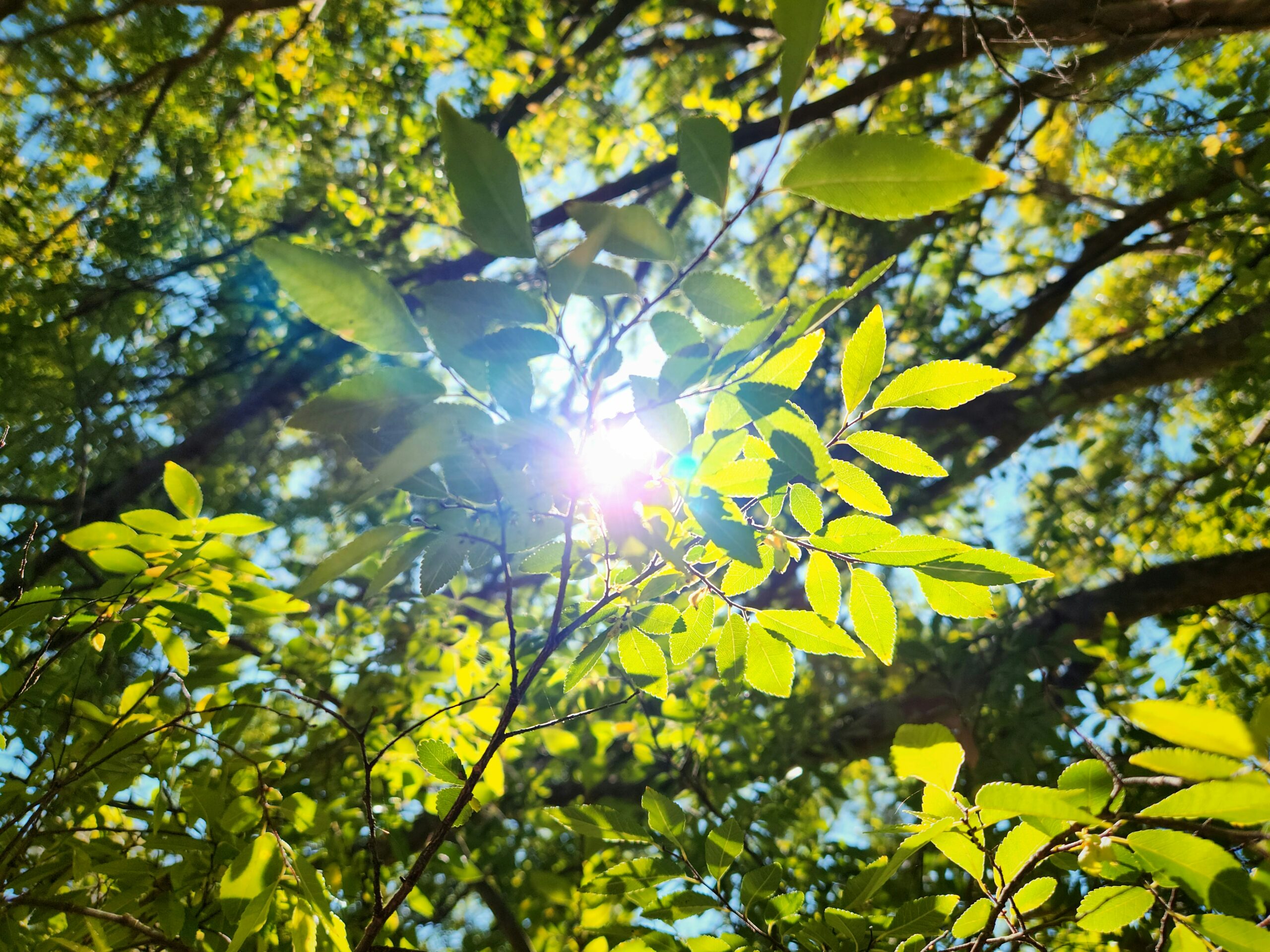
Trees lose water through their leaves everyday – a process known as transpiration. In hot weather, they lose far more than usual. If the soil is also dry, there isn’t enough water left for the roots to draw back up, and the tree can’t keep pace with what it’s losing. This is when you start to notice wilting,curling leaves or early leaf drop, all signs the tree is trying to protect itself.
Leaves also have tiny openings that let water escape and let the air in. When it gets very hot, they close up to stop the tree drying out too much, but also means the tree takes in less of what it needs to stop growing. On top of this, strong, constant sunlight can scorch the leaves themselves, turning the edges brown before they curl up and drop early.
All of this adds up to a tree working overtime just to survive the heat, with less energy left over to grow and stay strong.
Which trees are most at risk?
Some trees are more vulnerable to hot weather than others. Trees with shallow roots, like birches, struggle because the surface soil they rely on heats up fastest and dries out quickest. Trees that originally come from cooler climates, such as firs and spruces, also find the heat tough, simply because they haven’t evolved to cope with it.
Newly planted trees are at risk too, regardless of species. Anything planted within the last one to three years won’t have a deep enough root system yet, so it depends heavily on moisture near the surface, which is usually the first thing to disappear in a heatwave. The same goes for trees that are already under strain from pests, disease, or root damage. With fewer reserves to draw on, they have far less resilience when the heat piles on extra stress.
Some of the species we see struggling most across Norfolk are:
- Silver birch
- Beech
- Norway spruce and other conifer species
- Ash trees affected by ash dieback
Signs your tree is suffering from heat stress
There are usually some clear signs when a tree starts struggling with the heat. Here’s what to look for, and what each one is telling you.
Leaf scorching: Brown, crispy patches on the leaves, usually starting at the tips or edges, are one of the clearest signs a tree is struggling to cope with hot conditions. It’s often one of the first things you’ll notice.
Persistent wilting: A bit of wilting on a hot afternoon is normal, and most trees bounce back once it cools down. If the wilting doesn’t recover overnight or keeps going day after day, that’s a sign the tree needs more support.
Early leaf drop: Losing green or slightly yellow leaves in the middle of summer is a sign of real stress, not just a normal seasonal change. It can look a bit like autumn’s arrived early, and it usually means the tree is under more pressure than it can comfortably handle.
Smaller than normal leaves: If a tree is putting out leaves that look smaller than usual, it’s a sign the tree is holding back rather than growing as it normally would. It’s a subtler sign, so it’s worth comparing against how the tree looked in previous years.
Bark cracking or peeling: Cracked, split or peeling bark, especially on the side of the tree facing direct sun, is a sign of more serious stress. It’s more common in younger trees or those with thinner bark, and it leaves the tree more open to pests and disease.
If you’re spotting more than one of these signs at once, it’s a good indication the tree needs some attention rather than just a hot week passing through.
How to help your trees through the heat
A few simple habits can make a real difference in helping your trees cope during hot weather. Worth bearing in mind too that with the current hosepipe ban in place, a watering can is often the easiest way to keep your trees supported without falling foul of the restrictions.
Watering
Watering deeply but less often helps roots grow further down into the soil, where it stays cooler and holds onto moisture for longer. It’s best to water in the early morning or late evening, since these are the coolest parts of the day and cut down on how much is lost to evaporation. This timing also helps avoid scorching the leaves. Aim your watering at the dripline rather than the base of the trunk or stem. This is the invisible ring on the ground beneath the outer tips of the branches, and it’s where most of the tree’s feeder roots sit.
Mulching
A ring of mulch, such as wood chips or bark, spread around the dripline helps keep the soil cooler and locks in moisture. Just keep it away from the trunk itself, as piling mulch up against the bark can trap moisture against the tree and lead to rot.
Pruning
Removing dead, dying or diseased branches before summer arrives is worth doing, since these draw on the tree’s energy reserves without giving anything back. That said, it’s best to avoid heavy pruning right before summer, as this can add unnecessary stress. Stick to removing only what’s needed.
Soil health
Loosening compacted soil, particularly in areas that see a lot of foot traffic, helps roots grow and lets the ground hold onto more water. It’s also worth holding off on fertilising just before or during a heatwave, since this pushes new growth that needs more water and is more vulnerable to the heat than established growth.
When you should call a tree surgeon
There are plenty of small things you can manage yourself, but when your safety is involved, it’s always worth calling in a tree surgeon. Here’s when you should pick up the phone.
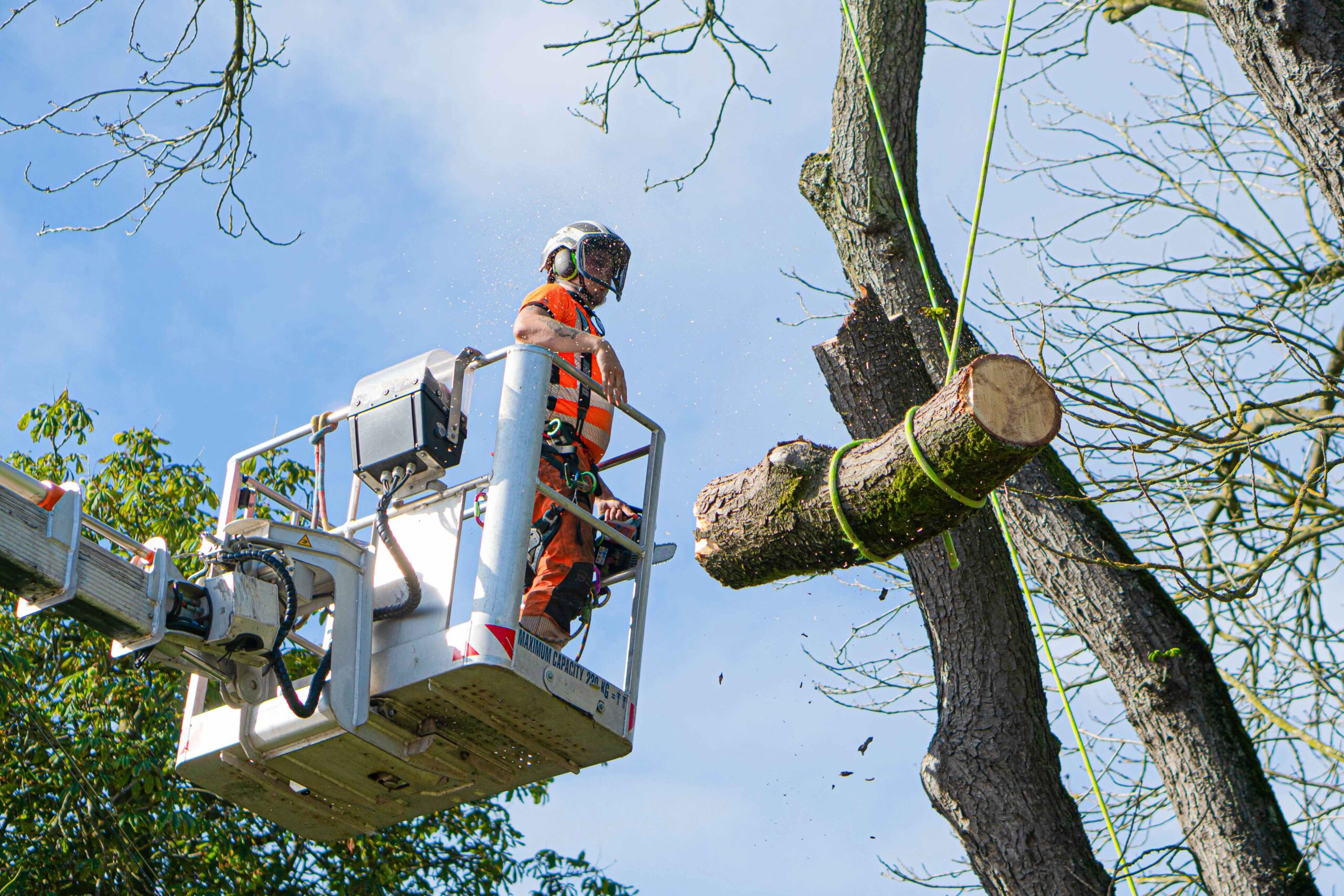
If a large or heavy branch looks dead or cracked and could fall, that’s a clear sign to get it checked. The same goes for a tree that’s leaning more than it used to, or has started leaning when it never has before. Branches or roots growing close to power lines are also best left to a professional, along with any large cracks appearing in the trunk or major branches.
Significant dieback or leaf drop outside of the autumn months is worth having looked at too, as is anything that might suggest disease or pest infestation. And if the job means using a long ladder or a chainsaw, it’s safer to hand it over to someone with the right training and equipment.
A good rule of thumb is that if the work is above your reach, needs specialist equipment, or you’re just not sure whether it needs a professional, it’s always worth getting a consultation. We’re happy to take a look and advise you either way.
How Dr Stump can help
Keeping your trees healthy through a hot summer doesn’t need to be complicated, but a little extra care goes a long way. If you’re ever unsure whether your tree needs help, or just want some advice tailored to your garden, we’re always happy to take a look.
Get in touch with the team today via WhatsApp or by calling 01603 358778 for friendly advice or a free, no obligation quote.